Vehicles & Aviation
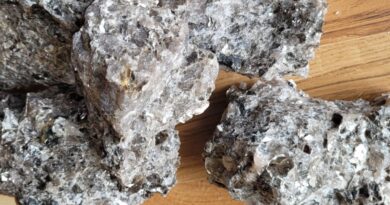
Mica, in its diverse natural forms, plays a crucial role as a heat-resistant and lightweight insulating material in both aircraft and vehicles. Its outstanding thermal and electrical insulation properties make it an essential component across multiple applications, serving as a flame-retardant safeguard in the event of overheating or accidents. In the aviation sector, mica serves as a protective layer within black box flight recorders, ensuring their durability under extreme conditions. It is also incorporated into aircraft and vehicle interiors to enhance fire resistance and safety standards. Within the automobile industry, mica contributes significantly to the manufacturing of brake linings and clutch plates, offering lightweight insulation that helps in reducing vibration, sound, and heat transfer. Mica-reinforced polymers are used in car parts such as fenders and fascia panels, improving strength, stability, and resistance to heat, chemicals, and ultraviolet exposure. Ground mica acts as a valuable inert filler in tire production and other rubber-based components. Its smooth texture prevents sticking and improves mold release performance, making the material more resilient and resistant to gas permeation. Additionally, the natural shimmer of mica is a key element in creating pearlescent paints that give vehicles their premium finish and aesthetic brilliance. Looking ahead, the demand for mica is expected to rise sharply with the growth of electric vehicles (EVs). Due to its exceptional insulation and non-flammable nature, mica is becoming a critical material in EV battery systems, helping prevent thermal runaways and ensuring greater safety in the evolving landscape of modern transportation.